A great trekking experience starts with the right footwear. Whether you’re planning a weekend hike, exploring a forest trail, or taking on a challenging mountain route, your shoes play an important role in keeping you comfortable and confident throughout the journey.
Trekking involves walking on uneven surfaces, steep paths, rocks, mud, and sometimes wet terrain. Regular casual shoes may not provide the grip, protection, and stability needed for these conditions.
Choosing the right trekking shoes can make your adventure more comfortable while helping you handle different trail conditions with greater confidence.
Here are seven important benefits of wearing the right trekking shoes.
1. Better Grip on Uneven Trails
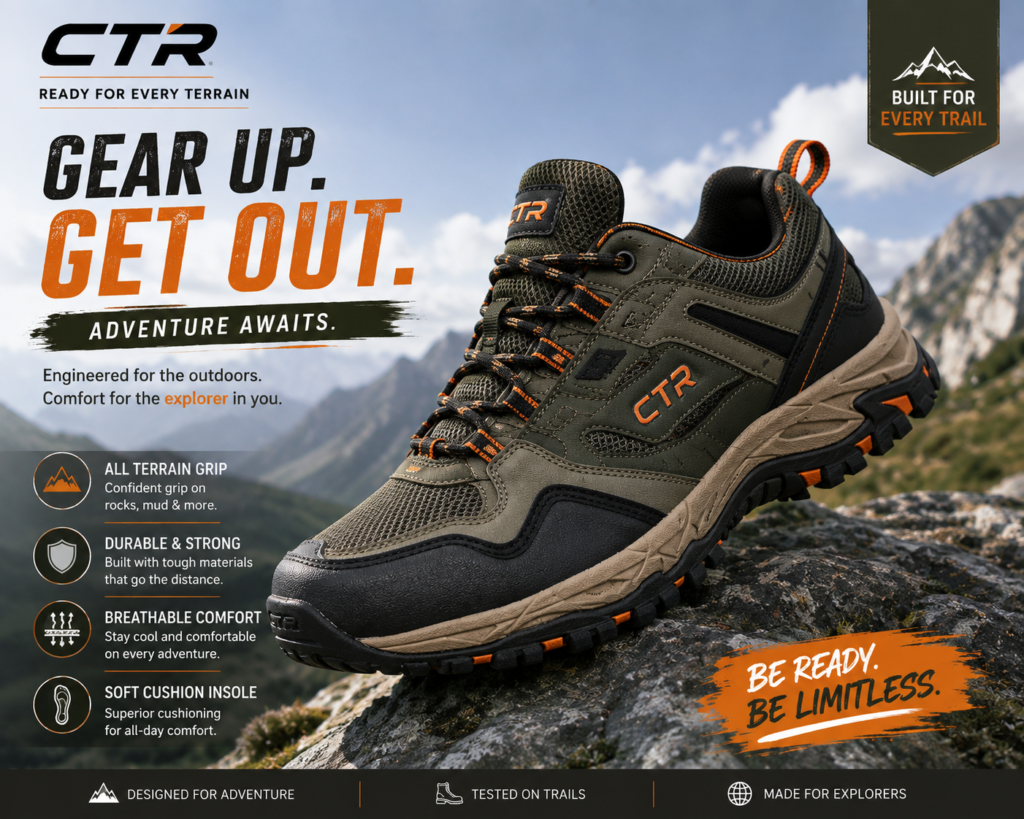
Traction is one of the most important features of trekking footwear.
Trekking shoes are designed with specialized outsole patterns that help provide grip on surfaces such as rocks, soil, gravel, and muddy trails.
Good traction can help you feel more stable while walking, particularly when the trail becomes uneven or slippery.
2. Improved Stability
Trekking trails are rarely perfectly flat. You may encounter stones, slopes, roots, loose soil, and sudden changes in elevation.
The right trekking shoes can provide a more stable base for your feet and help you navigate uneven terrain more confidently.
This is particularly useful during steep climbs and descents.
3. Greater Comfort During Long Walks
A trekking adventure can involve several hours of walking.
Wearing footwear that is designed for outdoor activities can provide better cushioning, support, and overall comfort compared with unsuitable everyday footwear.
A comfortable pair of trekking shoes allows you to focus more on enjoying the surroundings and less on discomfort caused by your footwear.
4. Protection From Rough Terrain
Outdoor trails can contain sharp rocks, branches, stones, and other obstacles.
Trekking shoes can offer additional protection around the foot compared with ordinary casual footwear.
Depending on the design, features such as reinforced toe areas and durable uppers can help protect your feet from common trail hazards.
5. Better Support for Your Feet
Walking on uneven terrain places different demands on your feet.
The right trekking footwear can provide appropriate support and help your feet feel more secure while navigating challenging trails.
For more demanding routes, choosing footwear with the right level of ankle coverage and structural support can be particularly beneficial.
6. Protection Against Changing Weather
Outdoor adventures don’t always come with predictable weather.
Rain, wet grass, muddy paths, and damp conditions can make a trail considerably more challenging.
Depending on the construction and materials, trekking shoes with water-resistant or waterproof features can help keep your feet more comfortable in wet conditions.
For warm-weather adventures, breathable materials can also help improve ventilation.
7. Greater Durability for Outdoor Adventures
Trekking shoes are built to handle conditions that ordinary footwear may not be designed for.
Regular exposure to rocks, dust, mud, and outdoor surfaces can be demanding on footwear. Choosing a durable pair and maintaining it properly can help you get more value from your investment.
With regular cleaning, proper drying, and appropriate storage, your trekking shoes can stay ready for many adventures.
8. Think About the Socks You’ll Wear
Your trekking socks can affect how your shoes fit.
Thick trekking socks may require slightly more room than everyday socks. Therefore, always try your shoes with the type of socks you intend to wear during your adventures.
This simple step can help you avoid an uncomfortable fit later.
9. Test Your Shoes Before a Long Trek
Never wait until the day of a major trek to wear a brand-new pair for the first time.
Wear your trekking shoes on shorter walks first. This allows you to understand how they feel and gives the footwear a chance to adjust to your walking style.
Pay attention to:
- Heel movement
- Toe space
- Comfort
- Grip
- Pressure points
- Overall stability
If something feels uncomfortable during shorter walks, it’s better to identify the problem before heading out on a long trail.
10. Choose Shoes That Match Your Adventure
There is no single trekking shoe that is perfect for everyone.
Your ideal pair depends on:
Where you trek
Mountains, forests, hills, rocky trails, or urban hiking paths.
How often you trek
Occasional weekend hikes require different features than regular trekking.
Weather conditions
Rain, heat, cold, and humidity can all influence your footwear choice.
Trek duration
Longer journeys generally require greater attention to comfort and support.
Personal preference
Some trekkers prefer lightweight and flexible shoes, while others prefer a more structured and protective design.